

Namibia: Where dunes meet the ocean
Zaim’s 84th country explores the untamed beauty and warm heart of Southern Africa
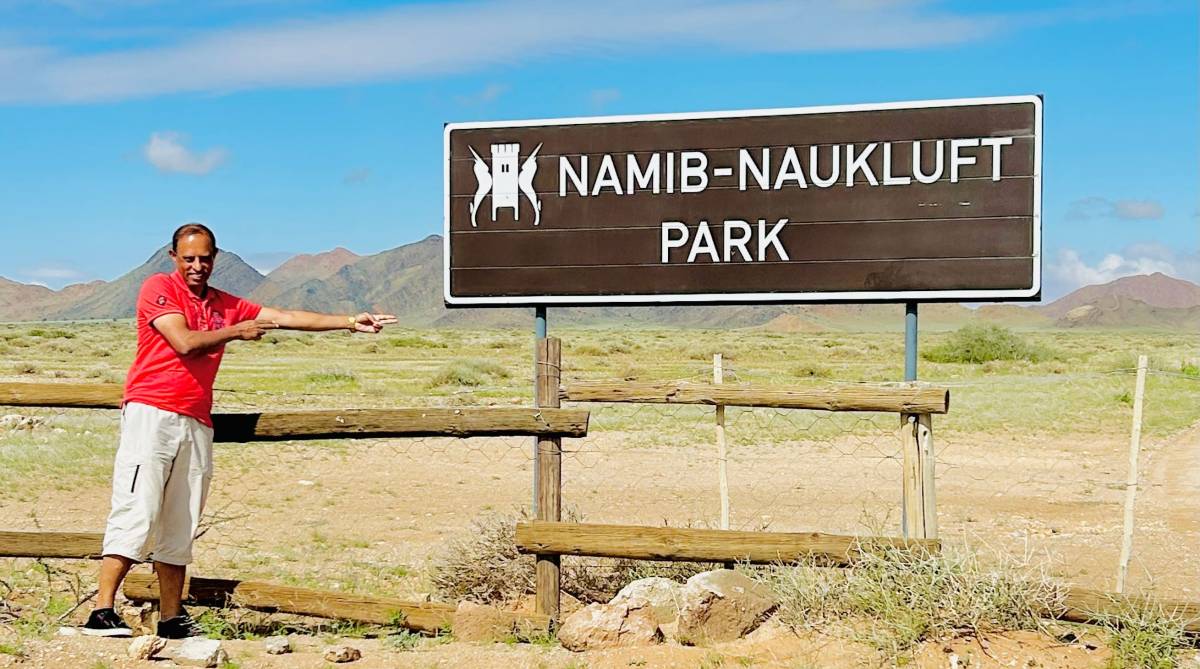
As a passionate traveller who has had the privilege of visiting 83 countries before, my expectations for the 84th had to be met with something truly extraordinary. Namibia, often referred to as Africa’s hidden gem, exceeded those expectations in every possible way. Nestled in the southwest corner of Africa, it is a land of contrasts – where fiery red dunes meet the icy Atlantic, where wild nature and warm hospitality coexist in perfect harmony, and where solitude feels like a personal invitation to reflect and connect.
My journey began with a flight from Dubai, with a convenient connection via Ethiopian Airlines, arriving in the capital city of Windhoek. It’s a modest city with a welcoming vibe, offering a gentle introduction to the country’s unique blend of African and European influences. Though the city itself is not sprawling, it carries a calm confidence. From colonial architecture to bustling local markets, Windhoek holds its own charm and acts as a great launchpad for adventures deeper into the country.
The itinerary was carefully planned to explore the central and southern regions of Namibia, focusing on its natural beauty, wildlife encounters, and cultural experiences. The first leg took me into the Kalahari Region, where the rust-coloured earth stretches for miles and the sunsets bathe everything in a golden hue. The vastness of this area instils a sense of peace that is hard to find in our constantly connected world.
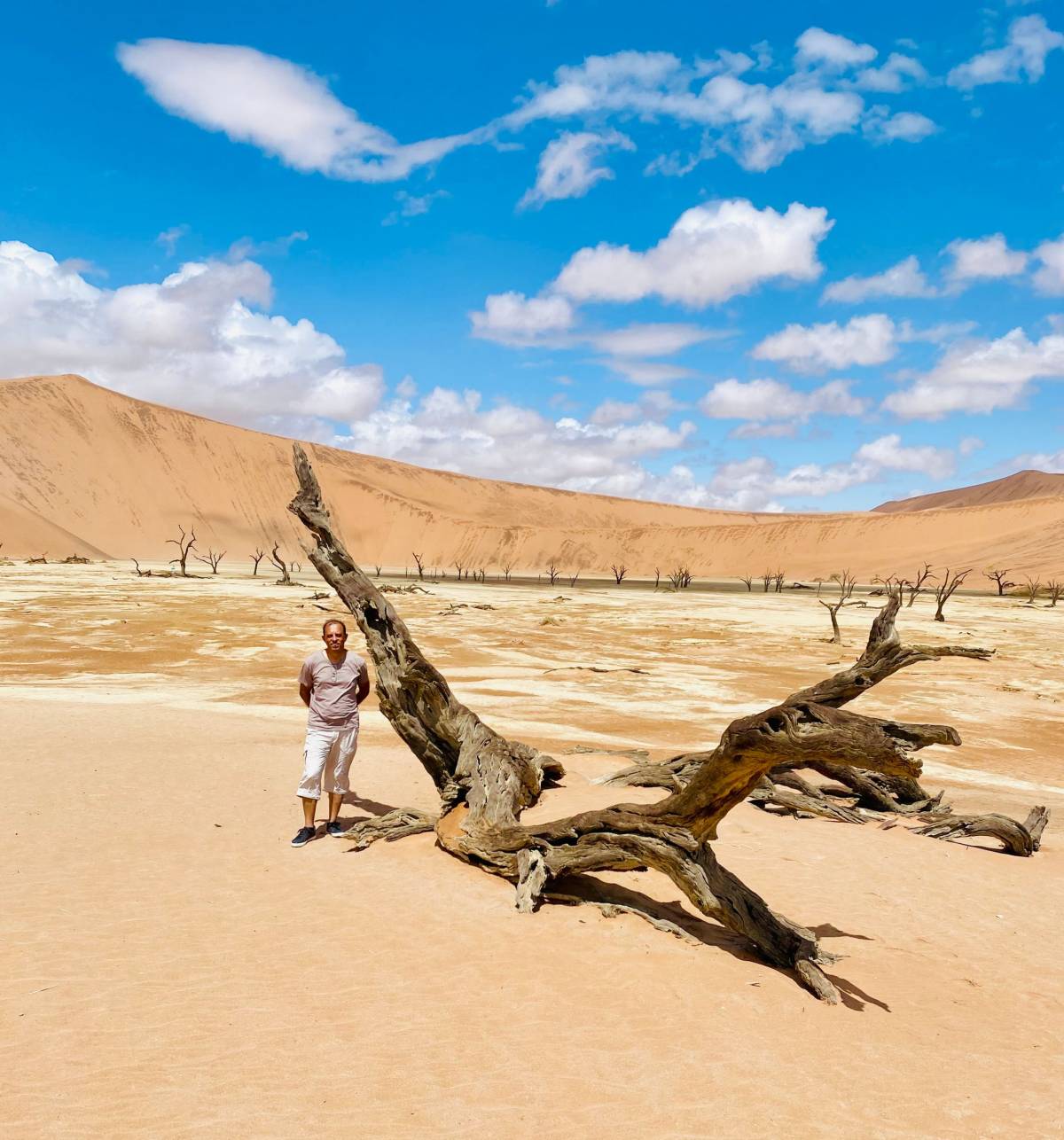
Next, I ventured into the heart of the Namib-Naukluft National Park, one of the largest protected areas in Africa. The park is home to Namibia’s most iconic destination – Sossusvlei. Standing in front of the towering red dunes of Sossusvlei was a spiritual experience. The word itself means “dead-end marsh,” referring to the place where the Tsauchab River comes to a halt, unable to flow any further due to the towering sand dunes. These dunes, some of the highest in the world, create an otherworldly landscape that shifts colours throughout the day – from amber and copper to deep crimson.
Climbing Dune 45, the most photographed sand dune in the world, just before sunrise was both a physical challenge and an emotional reward.
From the desert, I made my way toward the coast, where one of the most surreal landscapes – Sandwich Harbour – awaited me. Located just south of Walvis Bay, this lesser-known marvel is where the world’s tallest dunes cascade dramatically into the cold Atlantic Ocean, forming an incredibly picturesque lagoon. It’s one of those rare places on earth where two natural extremes meet to create an unforgettable panorama. The sand, the sea, and the sky blend into a silent symphony. The drive across the dunes, watching the landscape shift around every curve, felt like entering another realm.
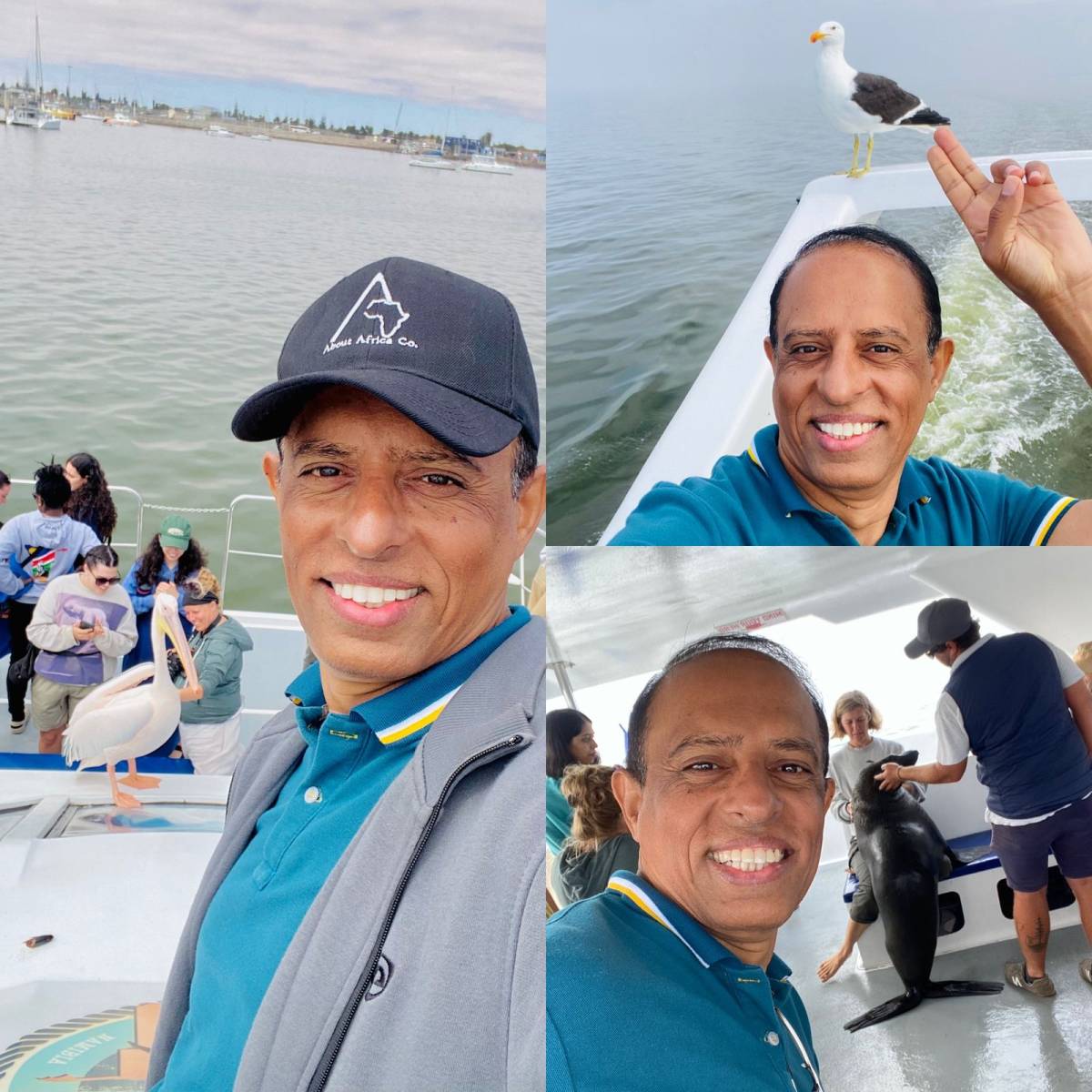
While in the area, I had the chance to visit Cape Cross, home to the world’s largest accessible Cape Fur Seal colony. Witnessing thousands of seals in their natural habitat was thrilling. The sound, the energy, and the playful chaos of it all created a scene straight out of a nature documentary. The real surprise, however, came during a boat tour near Walvis Bay, when a friendly pelican landed on our boat as if to greet us, and dolphins began swimming alongside us. It was one of those magical travel moments that you hold onto for life.
“When a pelican or a seal hops onto your boat and dolphins swim beside you, you realise Namibia isn’t just a destination – it’s a dream.”
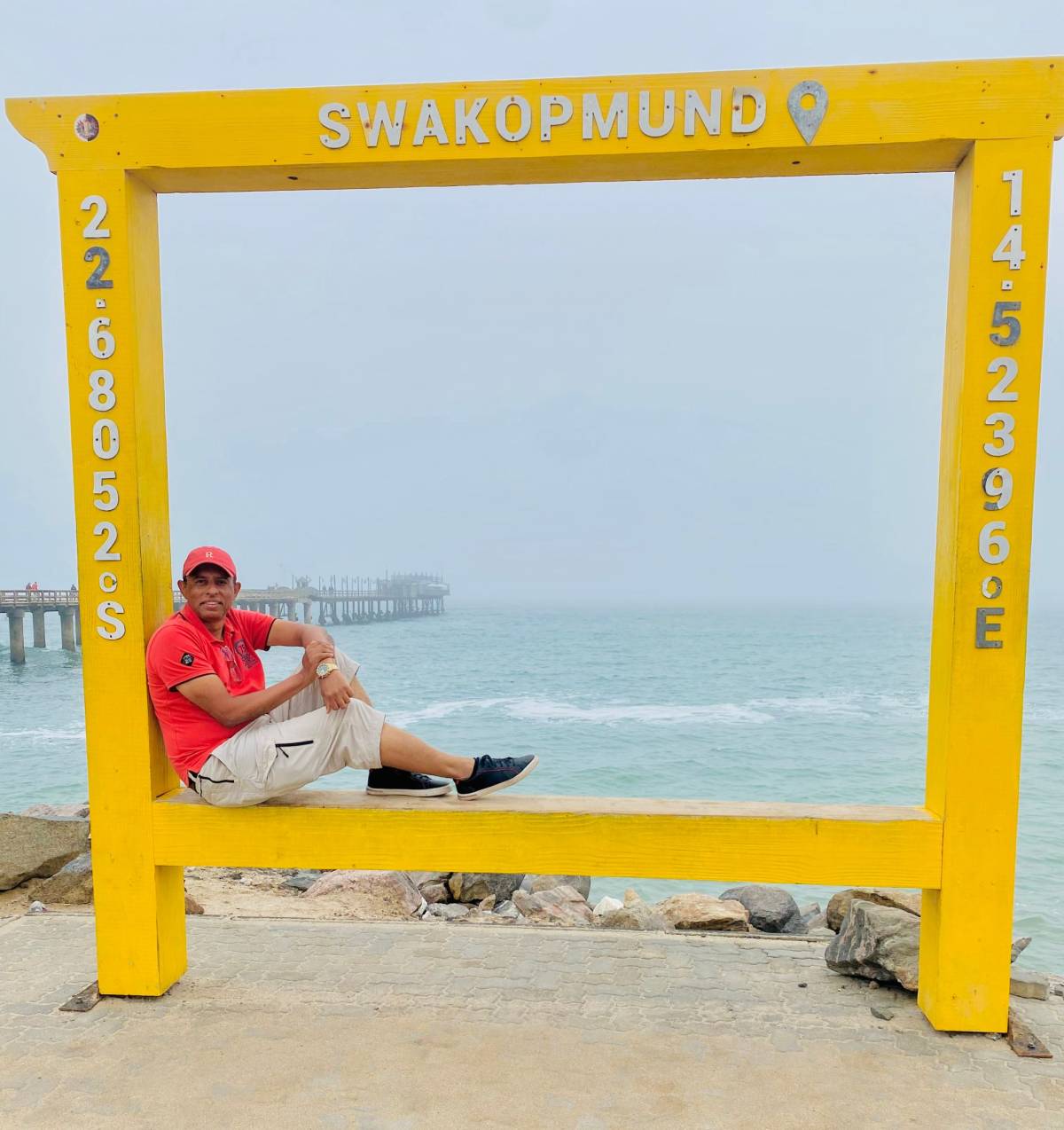
Then came Swakopmund, a charming coastal town that felt like a slice of Europe tucked into the African coastline. With its German colonial architecture, palm-lined promenades, and beachside cafés, Swakopmund offers a relaxing break from the desert heat. Yet, the town retains a very Namibian soul, blending adventure tourism with a laid-back coastal vibe. I wandered the streets, sampled local seafood, and chatted with artisans and shopkeepers who were eager to share their stories.
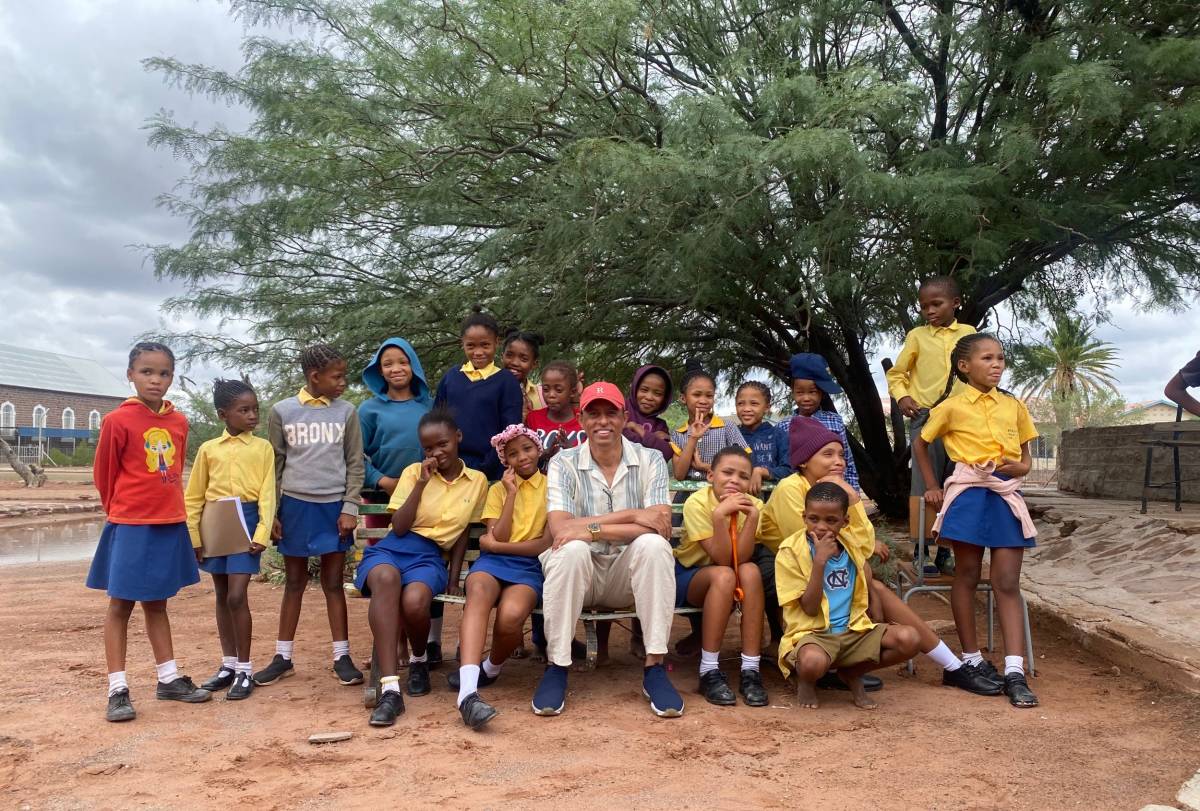
But Namibia’s story isn’t just told through its landscapes – it’s deeply rooted in its people. One of the most humbling and meaningful parts of my trip was a visit to the community of Maltahöhe. Here, I had the opportunity to tour a local community school and health centre, providing a glimpse into everyday life for rural Namibians. The simplicity of their lives was touching, but even more powerful was their generosity, kindness, and resilience. Children greeted me with shy smiles, and teachers passionately spoke about the importance of education. At the health centre, I witnessed healthcare workers serving their communities with dedication despite limited resources.
What stood out throughout my journey was the heart of the Namibian people. Everywhere I went, I was met with warmth and genuine hospitality. Whether it was a local guide sharing ancient tribal stories, a hotel host preparing a traditional meal, or a child waving excitedly as we passed through a village, there was a shared pride in their land and culture that resonated deeply with me. Their openness and friendliness made me feel more like a guest than a tourist.
Namibia is a country of balance. It balances luxury with raw nature, vastness with intimacy, solitude with soulful encounters. It’s a land where your phone signal disappears but your connection to the earth strengthens. Where you can drive for hours without seeing another vehicle but feel more in tune with yourself than ever before.
As someone who has explored much of the world, Namibia stood out not just for its landscapes but for the feeling it leaves you with – a sense of awe, humility, and gratitude. It reminded me why I travel: not just to see places, but to be changed by them.
For any traveller seeking a destination that offers natural wonders, real human connection, and unforgettable experiences, Namibia is the best-kept secret of Africa. It’s not just a place to visit; it’s a place to experience with your soul. I left with memories etched into my heart and a strong desire to return.